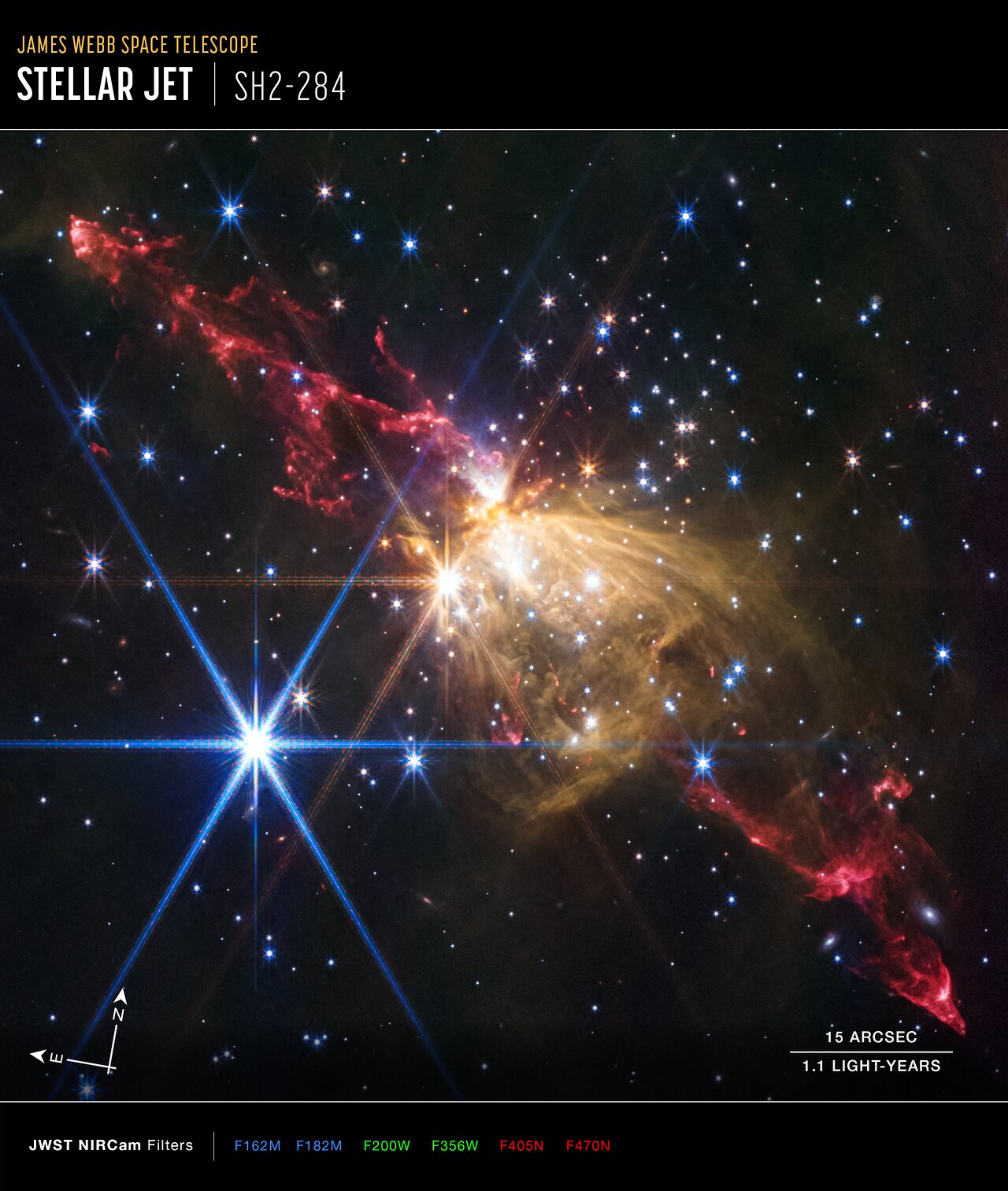

Why Star Trek Inspires My Approach to Development
When I sit down to code, whether it’s a backend API in .NET, a Blender render of a shield, or tinkering with game mechanics, I usually end up thinking about Star Trek. Not just the phasers and warp drives (though those are fun), but the way the Federation is built on cooperation, curiosity, and the drive to make things better.
That mindset spills into everything I build. Clean code feels like good diplomacy: it creates bridges so other people can understand, extend, and improve on what I’ve written. Blender scratches the same itch, too. Modeling something new and texturing it until it feels like it belongs in a story or a game is my way of exploring “what if.”
That curiosity is also what pulled me into Utopia TTRPG. I first stumbled across it on Kickstarter, and the pitch immediately hooked me: a tabletop system with an incredibly intricate web of mechanics and a “fully customizable, limitless” style of play. I didn’t just back the project — I dove in. Over time I got involved with the creator, building their website, developing the official FoundryVTT system, and now working on a dedicated app for it. It’s one of those rare projects where complexity doesn’t get in the way, it fuels the creativity. Every layer I work on, from the rules to the tech, reminds me of why the system felt special in the first place.
Even music connects back to this. Dark folk might sound heavy on the surface, but I love it for the atmosphere — quiet, thoughtful, and meaningful. That’s the same energy I try to bring into my work. Small choices that leave a lasting impression.
Maybe that’s why Star Trek has always stuck with me. It shows that imagination isn’t just entertainment; it’s the foundation of progress. And whether I’m coding, building game systems, or shaping worlds in Blender, I’m always trying to carry a little bit of that hopeful vision forward.
Engage. 🚀